Hey there, neighbor! If you live here in Florida, especially around coastal towns and storm-prone areas, you already know how common power outages can be.
Between hurricane season and afternoon thunderstorms, losing power isn’t a matter of if, but when.
Here's a question we get over and over again:
“What’s a generator interlock kit… and do I really need one?”
Let’s walk through what generator interlock kits are, why they matter for Florida homeowners, and how to know if they’re right for your home.
What Is a Generator Interlock Kit?
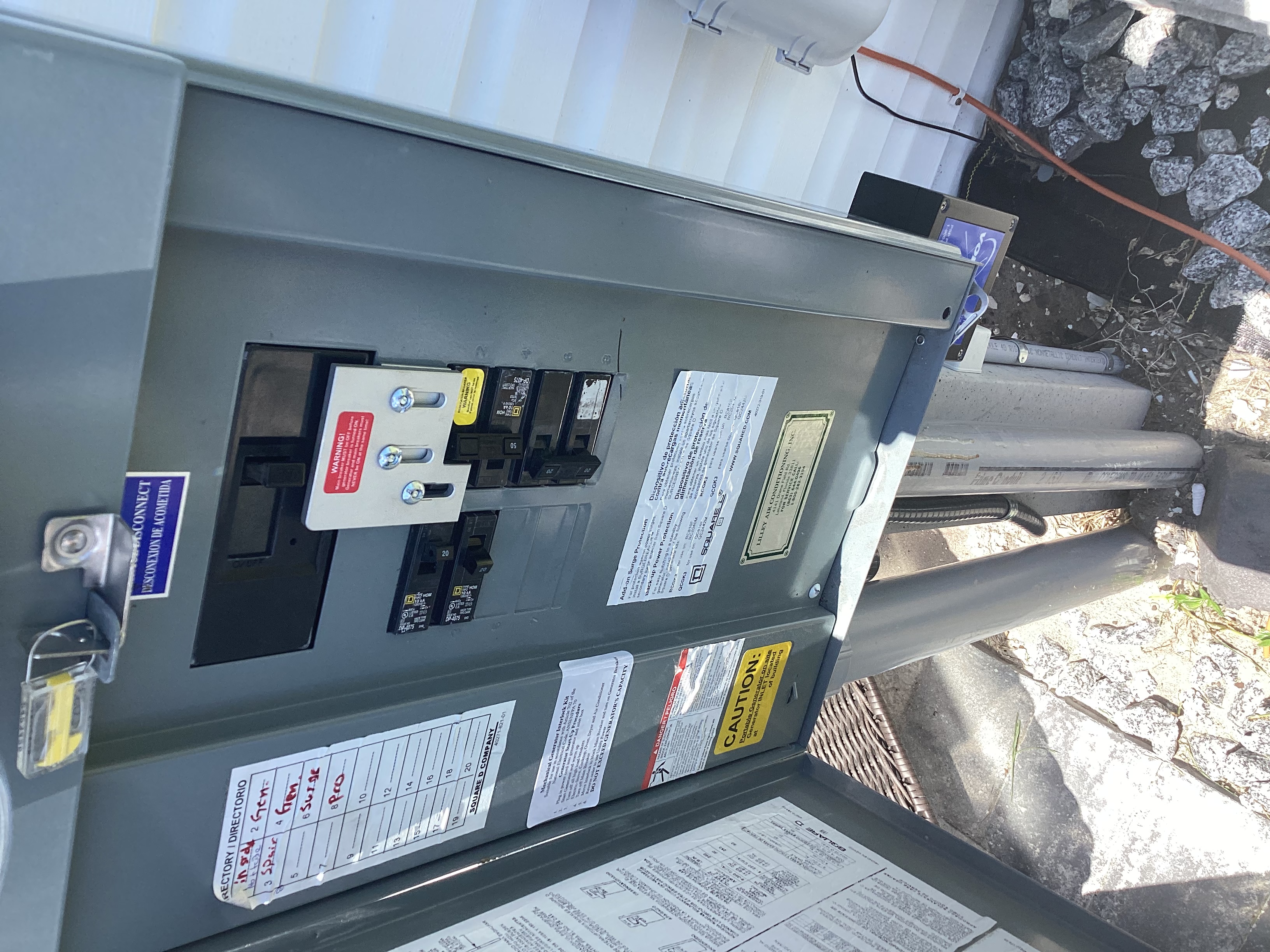
A generator interlock kit is a safety device installed on your home’s electrical panel. It allows you to safely connect a portable generator to your home’s electrical system during a power outage — without backfeeding power to the utility lines.
In simple terms:
• It keeps your main breaker and your generator breaker from being on at the same time.
• That means power can either come from the utility company or your generator, but never both.
• This protects you, your home, your appliances, and the utility workers restoring power in your area.
Interlock kits are popular because they’re:
• More affordable than a full automatic transfer switch
• Cleaner and safer than running a mess of extension cords
• A permanent upgrade to your electrical panel
Why Florida Homeowners Love Interlock Kits
Living in Florida means planning ahead for storms. Whether it’s a hurricane, tropical storm, or just a strong thunderstorm, the risk of losing power is always there.
Here’s why so many of our Florida neighbors choose interlock kits:
1. Storm-Ready Power Backup
When the lights go out, you can safely power essentials: refrigerators, freezers, lights, fans, Wi-Fi, and sometimes even well pumps or small AC units (depending on your generator size and your electrician’s setup).
2. Safety First
An interlock kit helps prevent dangerous backfeeding. Backfeeding can send electricity from your generator back through the utility lines, putting lineworkers and your neighbors at serious risk. As a family-focused company, we care deeply about keeping everyone safe — not just inside your home, but out in the community too.
3. Clean, Simple Setup
Instead of running extension cords all over the house (through doors and windows), you can use your existing circuits. Flip a few breakers in the right order, start your generator, and you’re good to go.
4. Cost-Effective Solution
Compared to installing a full-home automatic standby generator and transfer switch, an interlock kit with a properly sized portable generator is often a more budget-friendly way to prepare for storms.
Interlock Kit vs. Extension Cords: What’s the Difference?
You can run a few things off a portable generator with extension cords — but there are tradeoffs.
Extension Cords:
• Only power what you can plug in directly
• Can be a tripping hazard
• Can overload if not sized correctly
• Require doors or windows cracked open for cords
Interlock Kit:
• Uses your home’s existing electrical panel
• Powers multiple circuits at once
• Cleaner and safer if installed by a licensed electrician
• No need to run cords through the house
If you’re looking for a long-term, safe, and convenient solution, an interlock kit is almost always the better choice.
Is a Generator Interlock Kit Right for My Home?
Here are a few questions to help you decide:
• Do you lose power during storms or hurricanes more than once a year?
• Do you already have a portable generator, or plan to buy one?
• Do you want to run key circuits (fridge, lights, fans, Wi-Fi, some outlets) instead of just a few items on extension cords?
• Do you want a safer, code-compliant way to connect your generator to your home?
If you answered “yes” to most of these, an interlock kit is probably a great fit.
Because every home is different, we always recommend having a qualified electrician evaluate:
• The size of your main electrical panel
• The available breaker spaces
• The size of your generator
• Which circuits matter most to your family (kitchen, bedrooms, medical equipment, etc.)
How a Generator Interlock Kit Works During an Outage
Here’s what using an interlock kit typically looks like during a power outage:
1. The power goes out.
You confirm the outage isn’t just a tripped breaker.
2. You move the interlock slide so you can turn the main breaker off.
This disconnects your home from the utility power.
3. You start your generator outside in a safe, well-ventilated area away from doors and windows.
4. You plug the generator into the inlet box (installed by your electrician) and then turn on the generator breaker in your panel.
5. You turn on only the essential circuits your electrician has recommended, so you don’t overload the generator.
6. When utility power is restored, you simply reverse the process:
• Turn off the generator breaker
• Move the interlock
• Turn the main breaker back on
• Shut down and disconnect the generator
We’ll walk you through this process step-by-step when we install your system so you and your family feel confident using it.
Ready to Talk About a Generator Interlock Kit?
If you’re in Florida and tired of worrying about the next outage, we’d be happy to help you explore your options.
We can:
• Inspect your existing electrical panel
• Review your generator (or help you choose one)
• Design a safe, code-compliant interlock setup for your home
• Teach your family exactly how to use it when the power goes out
When the next storm rolls through, you’ll be ready.
Need honest advice about generator interlock kits for your Florida home? Reach out to our family-owned electrical team today and let’s make sure your home is safe, prepared, and powered — no matter what the weather brings.

.png)
-1.png)