
Have a quick question? Call (813) 672-4084
We'll point you in the right direction.
Do You Need a Panel Upgrade
for an EV Charger?
Most homeowners don’t —
but here’s how to know for sure.
We’ll tell you if you don’t need an upgrade.
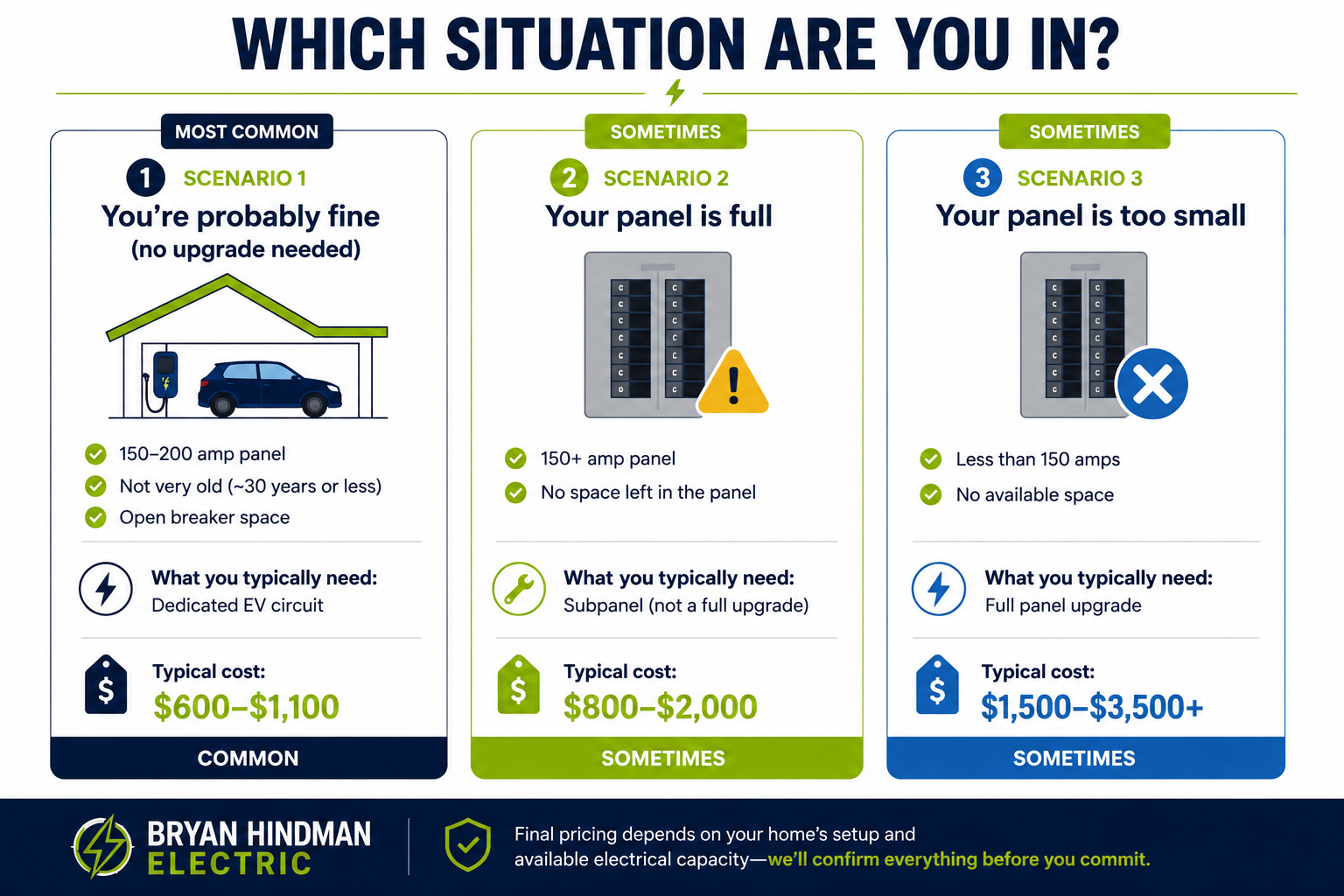
Why it matters
Most homeowners fall into one of these 4 setups — find yours below.
-
-
150–200 amps + space → usually no upgrade
-
150+ amps but full → subpanel
-
Under 150 amps → upgrade
-
2 EV chargers → upgrade
-
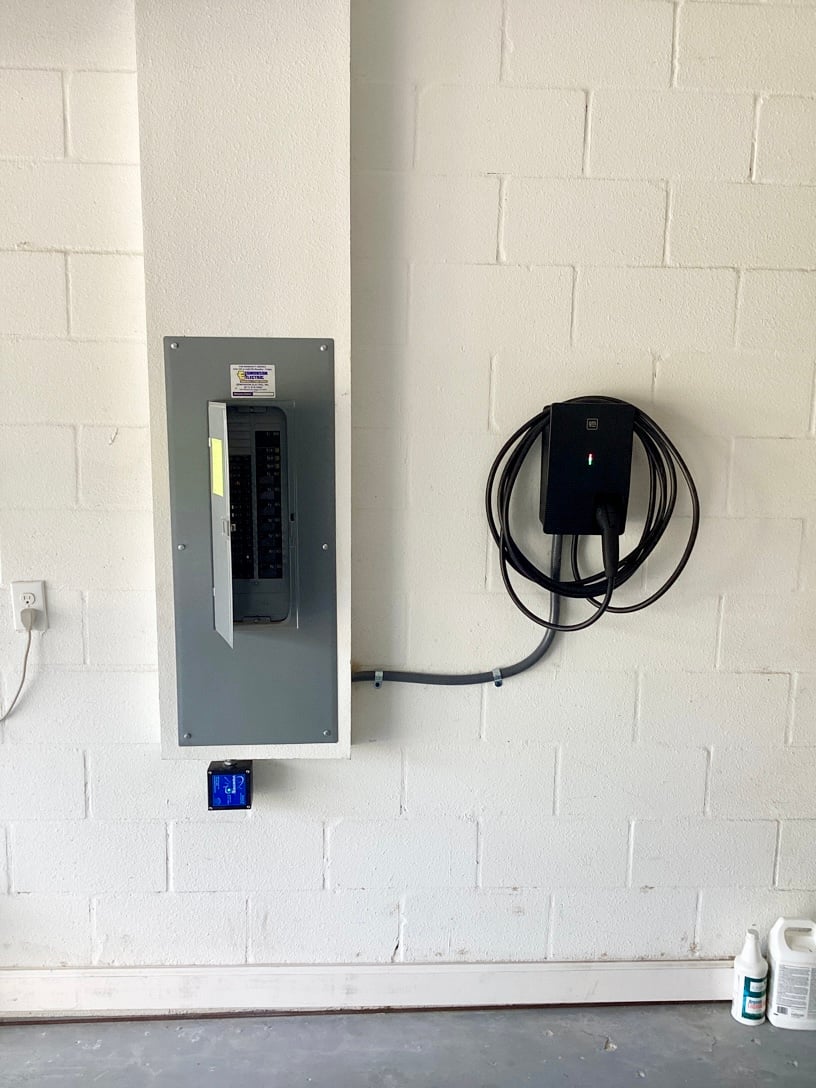
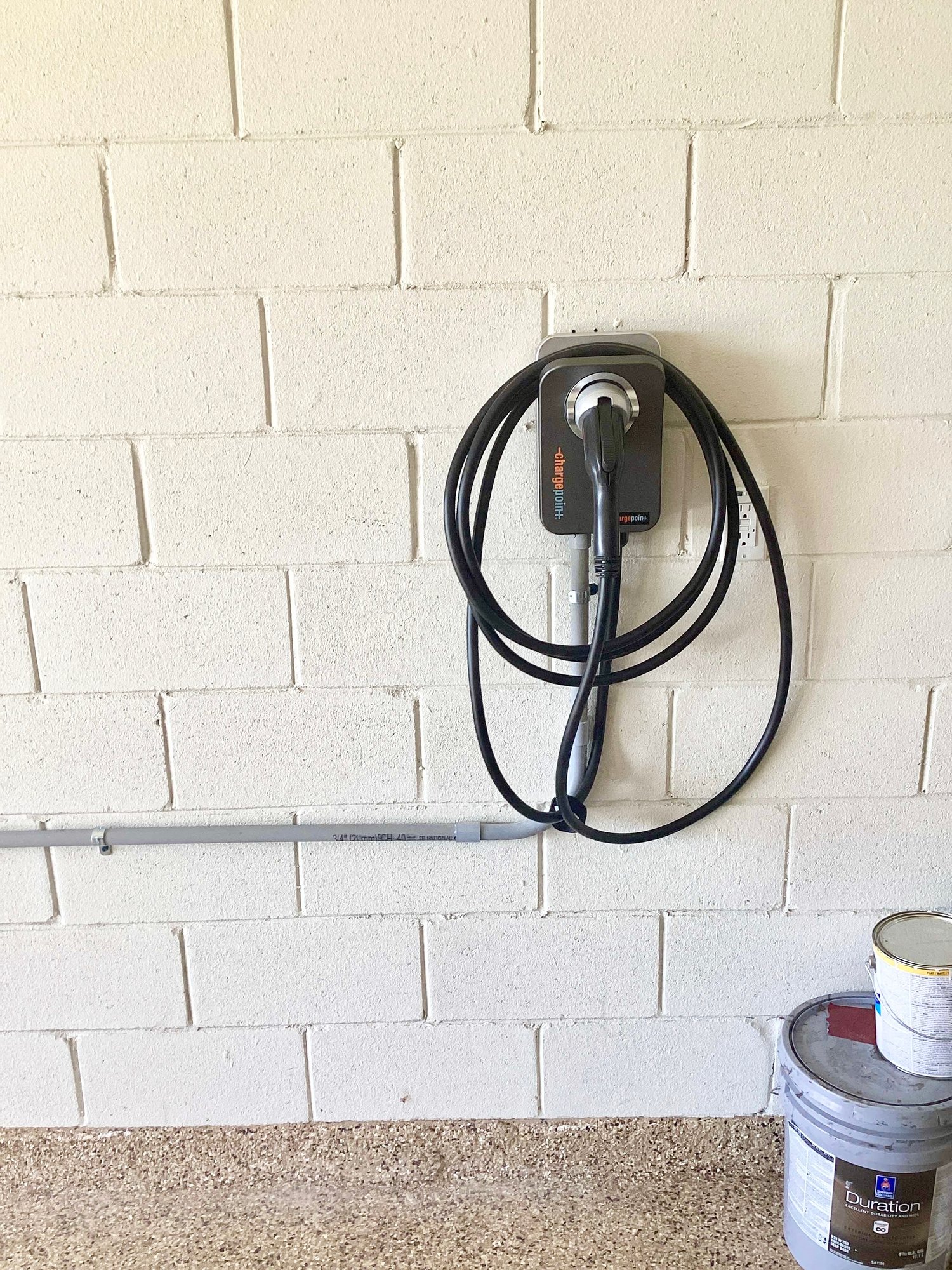
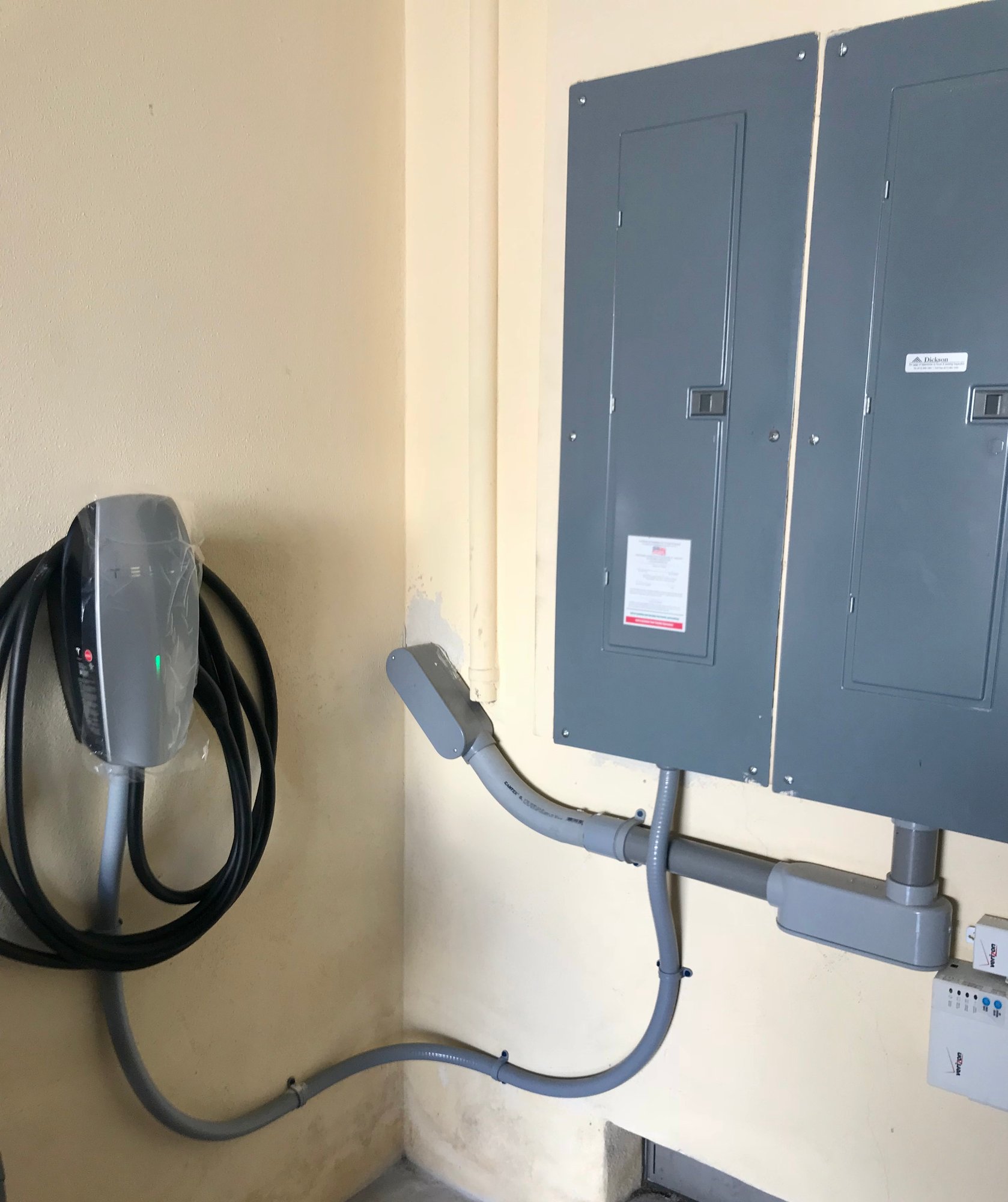
Gallery
-2.png?width=2000&height=1125&name=Untitled%20design%20(1)-2.png)
.jpg?width=2000&height=1500&name=carchargernexttopanel%20(1).jpg)
Frequently Asked Questions
-
Most EV charger installations range from $800–$1,100+, including permit and inspection coordination. The exact cost depends on your home and setup. It can increase if:
The exact cost depends on your home and setup. It can increase if:
- The panel needs upgrading
- The charger is far from the panel
- Trenching or additional wiring is required
-
-
If your panel is safe and has capacity, we won’t recommend replacing it.
In many cases, a full panel upgrade isn’t necessary—we’ll show you all your options.
Some older panels are known to have safety issues and may need to be replaced before installing an EV charger.
These include:
- Challenger
- Zinsco
- Sylvania
- Federal Pacific
If you have one of these, we’ll let you know right away and explain your options.
-
-
Most EV charger installations fall between $500–$800 for the work itself.
However, most homeowners don’t realize there are a few additional steps required to complete the job properly.
These can include:
- Permit fees (typically around $80 in our area)
- Inspection scheduling
- Coordinating with the county to ensure everything passes
That’s why most real-world installations end up between $800–$1,100 total
The difference isn’t in the installation—it’s in everything that needs to happen around it.
We include all of this upfront, so you know exactly what to expect before any work begins.
-
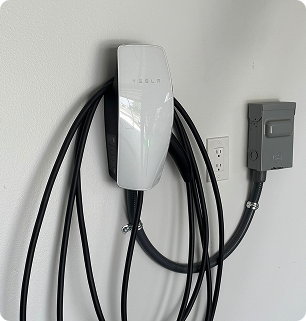
Level 2 chargers (hired wired) are recommended for regular home charging. You can choose to install a GFCI-protected outlet or have the charger hardwired. The benefits of each option can be discussed during your consultation.
To learn more read our blog post Hardwired or Plug-In EV Chargers for My Home.
-
Most EV charger installations don’t require you to figure out technical details—that’s our job.
In many cases, your existing electrical system can support a charger. If not, you may only need a small upgrade, like a dedicated circuit or minor adjustments.
You don’t automatically need a panel upgrade (honestly, we rarely see that). Of course, every home is a little different.
We’ll evaluate your setup and handle everything needed to ensure the installation is safe, up to code, and built to handle your charging needs.
-
Yes, consulting with an electrician ensures a safe, efficient, and code-compliant installation. During the consultation, we can assist with:
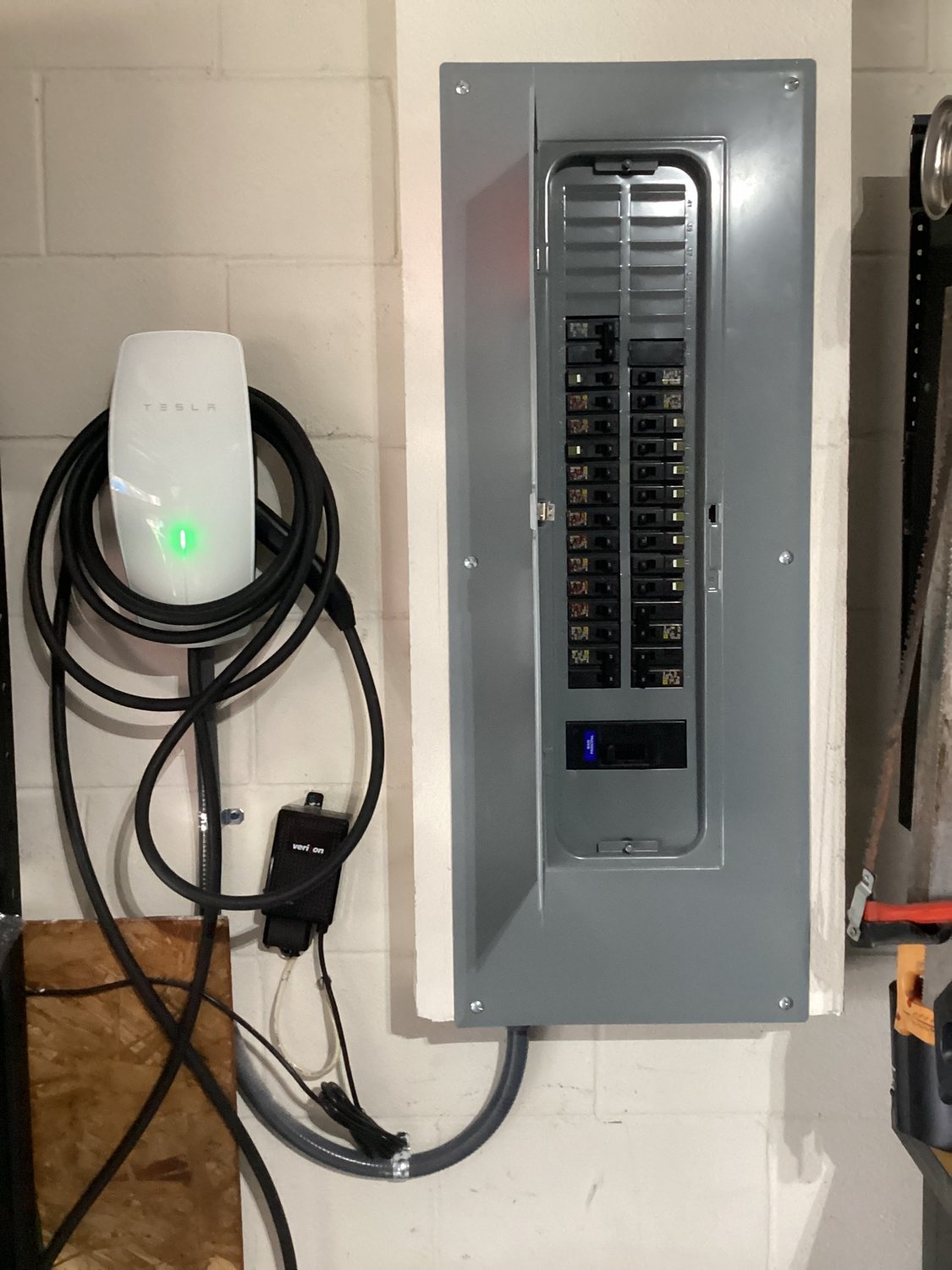
1. Electrical Panel Check: Ensure the panel has sufficient capacity and available slots.
2. Circuit Requirements: Recommend appropriate breaker size and wiring.
3. Location Evaluation: Suggest convenient, accessible locations close to the panel.
4. Environmental and Safety Factors: Address weather protection, ventilation, grounding, and GFCI needs.
5. Structural Support: Determine the best mounting options and check for structural support.
6. Future Needs: Plan for potential upgrades or additional EVs.
7. Code Compliance: Ensure installation meets local codes and obtain necessary permits.
8. Cost and Timeline: Provide a cost estimate and timeline for the installation. -
Installation time varies significantly based on specific needs and location. It can range from as little as two hours to a full day. Your electrician will provide a more accurate timeframe during the initial consultation.
-
We strongly recommend surge protection—it helps protect your charger and your home from unexpected power surges.
It’s not currently required by code, but it will become standard for EV chargers very soon.
There is an additional cost, and we’ll walk you through your options ahead of time so you can decide what’s best—no surprises.
-
Yes, EV charger installations require permits and inspections to ensure everything meets local and national electrical codes.
We handle the entire process - from permitting to final inspection - so you don't have to worry about compliance or safety issues.
We’ll tell you if you don’t need an upgrade.
Not sure what your home needs for
an EV charger?
We’ll take a look at your setup and walk you through:
No pressure-just clear answers so you can make the right decision.